Condos, Bungalows And Lofts In NoDa Explained
July 2, 2026
July 2, 2026
Looking at homes in NoDa and wondering what you are actually getting when a listing says condo, bungalow, or loft? You are not alone. In a neighborhood shaped by mill history, walkable streets, and newer infill development, those labels can point to very different ownership experiences, monthly costs, and day-to-day lifestyles. This guide breaks down what each home type usually means in NoDa so you can compare your options with more confidence. Let’s dive in.
NoDa is not a one-style neighborhood. Charlotte’s architectural survey ties the area to the city’s historic North Charlotte textile-mill district, with mills, mill villages, and a commercial core along North Davidson Street.
That history helps explain why you can find older mill-era homes, restored properties, and newer housing in the same general area. City materials also describe NoDa as a creative, walkable district, and ongoing transit and corridor improvements around the LYNX Blue Line extension and 36th Street station continue to shape how people live there.
For you as a buyer, that means the right fit is not just about square footage. It is also about how much maintenance you want, how important transit access is, and whether you prefer historic character or a more lock-and-leave setup.
In general, a condo means you own your individual unit and share ownership interest in common areas. Those shared areas may include things like roofs, driveways, landscaping, and other community spaces, depending on the property.
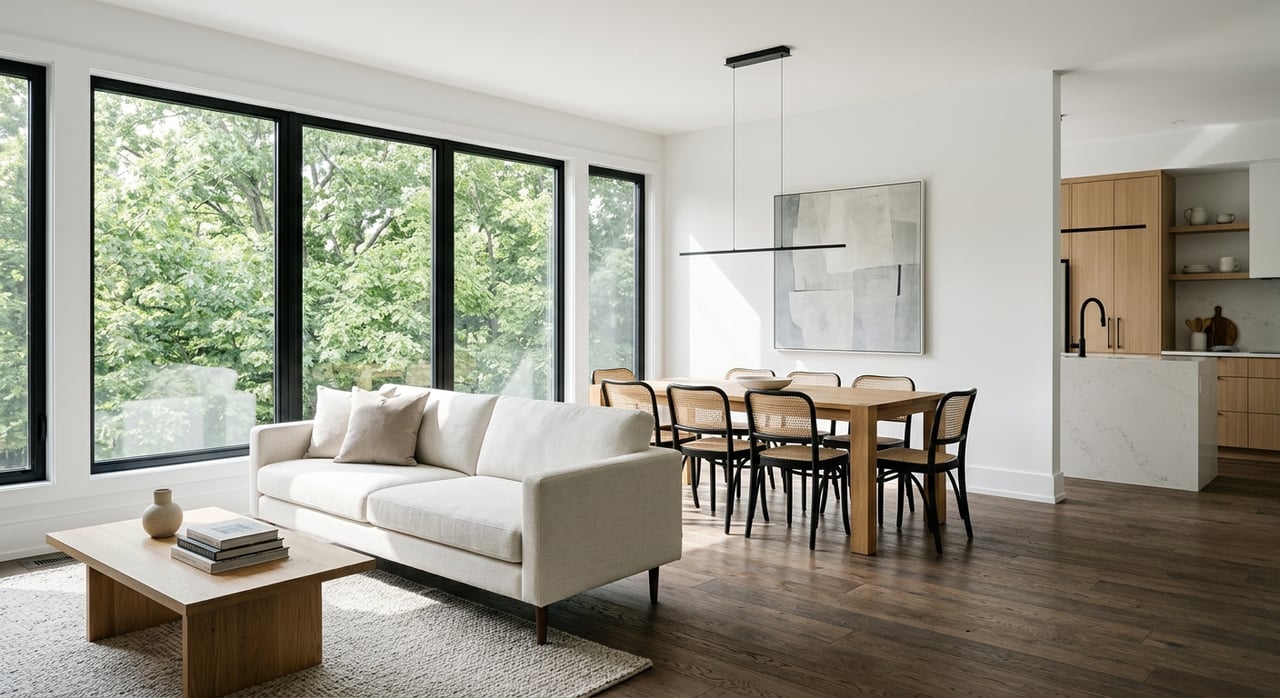
One of the biggest reasons buyers choose condos is convenience. In a walkable, transit-connected area like NoDa, a condo can be an easier way to live near restaurants, events, and the Blue Line without taking on yard work or a long exterior maintenance list.
That convenience comes with structure. Condo owners usually pay HOA or condo dues separately from the mortgage, and those dues often help cover shared maintenance and common expenses.
A condo’s list price does not tell the whole story. Monthly HOA dues can have a big impact on your actual housing budget, so it is important to look at the full monthly cost, not just the mortgage payment.
Association rules matter too. HOA documents may cover maintenance responsibilities, use restrictions, and the possibility of special assessments, so reading those materials carefully is a key step before you buy.
If you are comparing a condo with a bungalow or loft, ask yourself a simple question: Do you want to spend more of your time enjoying the neighborhood and less of it handling exterior upkeep? If the answer is yes, a condo may deserve a closer look.
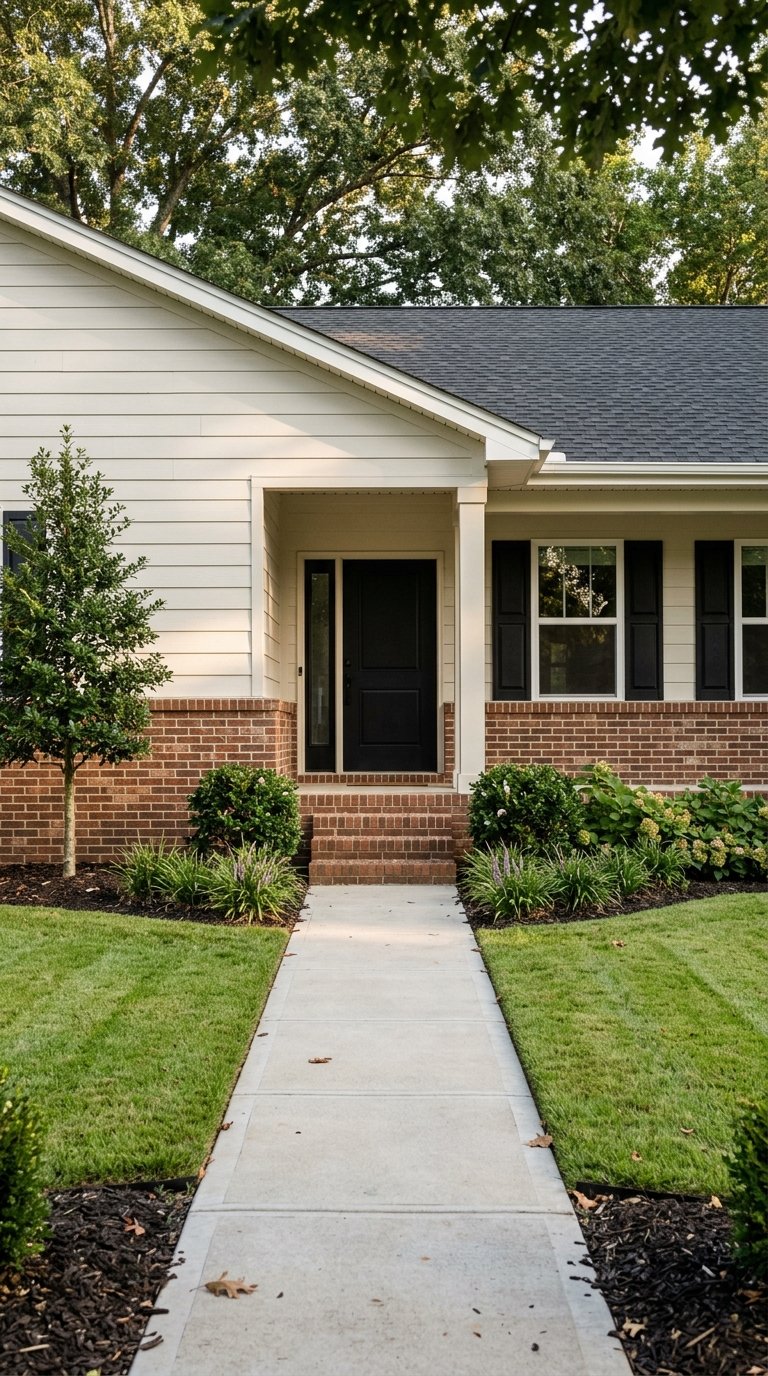
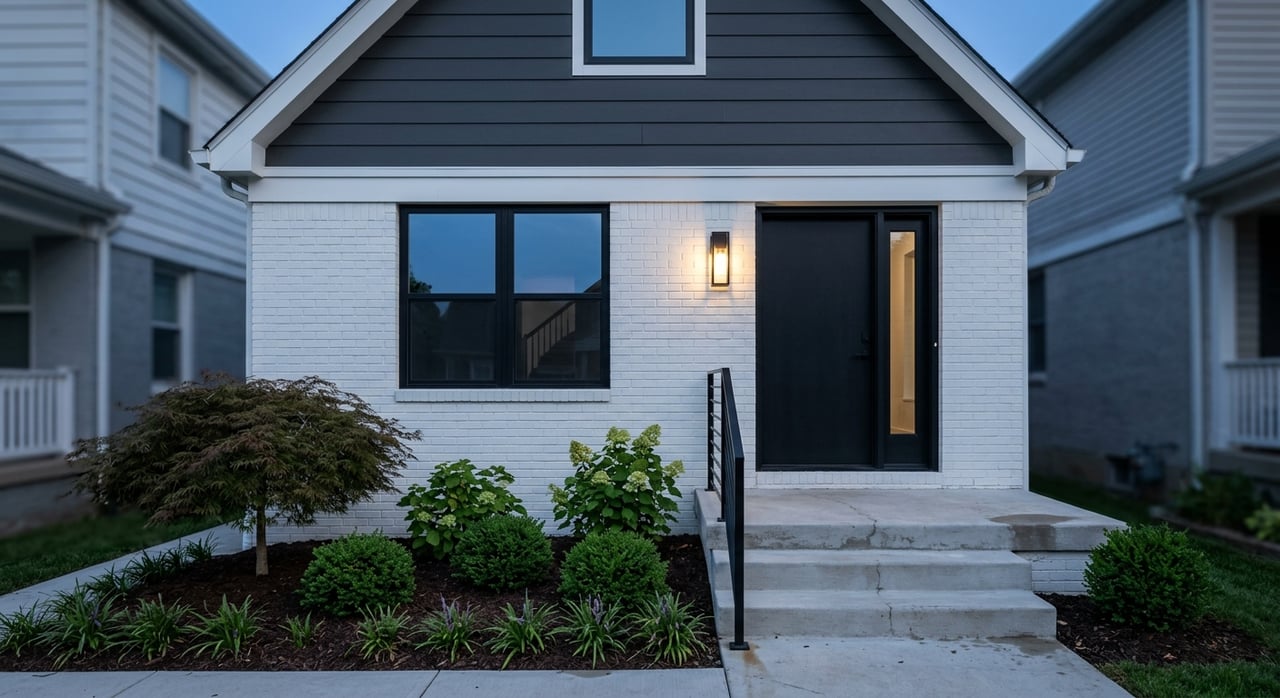
A bungalow usually points to one of the home styles most closely tied to early Charlotte character. Charlotte’s historic design standards describe bungalows as typically one-and-a-half stories with features like deep eaves, exposed rafter ends, substantial front porches or dormers, paired windows, and shorter porch supports.
Materials can vary, but bungalows often include combinations of brick, wood, shingles, stucco, or stone. In and around NoDa, this style often connects most clearly to the neighborhood’s older mill-era fabric.
If you love the idea of a home with a distinct architectural identity, a bungalow may be the style that stands out most. It often offers more of a standalone-home feel than a condo and a more traditional layout than a loft.
Charm usually comes with more responsibility. With a bungalow, you are more likely to handle ongoing repair and maintenance costs directly as the owner.
That is especially important in an older home. Systems, exterior materials, and age-related upkeep can all affect your budget and long-term plans, so inspections and realistic maintenance planning matter.
Historic status can also affect your decisions. If a property is in a Charlotte local historic district, exterior alterations, restoration work, new construction, moving, or demolition may require a Certificate of Appropriateness, while ordinary maintenance with in-kind materials generally does not.
For many buyers, the tradeoff is simple: more character and control, but less convenience. If that balance feels right to you, a bungalow can be a strong fit in NoDa.
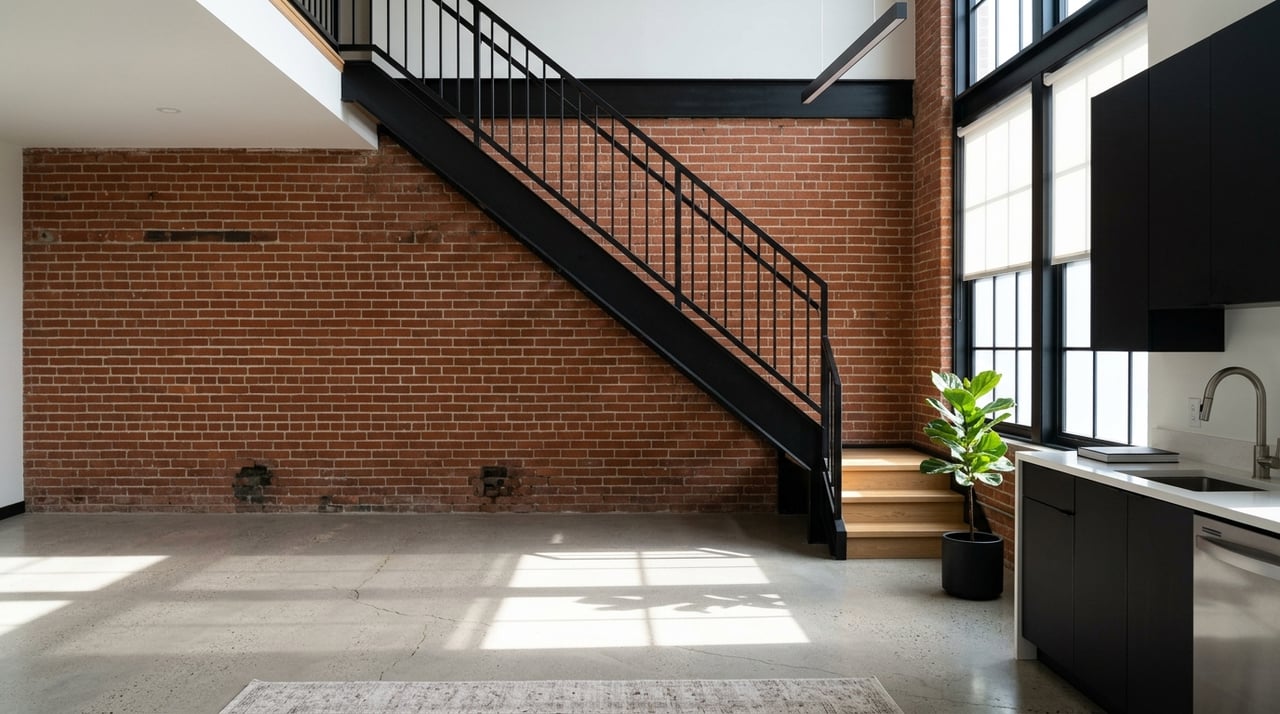
A loft usually reflects an industrial building form rather than just a decorating style. Architectural historians describe industrial lofts as long, narrow, multistory buildings with flat roofs, parapets, high ceilings, open floors, and large windows designed to bring in light and ventilation.
That matters in NoDa because the neighborhood’s roots are closely tied to mills and industrial buildings. Charlotte records show preservation and renovation of mill properties in the area, including the Lofts at NoDa Mills, which helps explain why the loft style feels especially natural here.
For buyers, loft living often means open sightlines, a stronger urban feel, and architectural details that can be very different from a standard condo or traditional house. If you want a home that feels spacious and visually distinctive, a loft may check those boxes.
Not every loft works the same way from an ownership and maintenance standpoint. Some lofts may function much like condos, while others may come with different building structures or upkeep responsibilities.
Because many loft homes are tied to older buildings or adaptive reuse, you will want to pay close attention to inspection findings. Structural components, mechanical systems, and building documents can all tell you more about what ownership will really look like.
A loft can offer character and convenience at the same time, but the details matter. In NoDa, that is especially true because the neighborhood’s industrial past is part of what makes these homes appealing in the first place.
If you want a quick way to think about these options, start with maintenance. Condos usually shift more shared upkeep to the association, bungalows usually place more of it on you, and lofts can fall somewhere in between depending on the building and ownership structure.
Then look at your lifestyle. If you want lower exterior responsibility and easy access to neighborhood amenities, a condo may fit best. If you want a detached-home feel and historic character, a bungalow may be more your speed. If you want open space and an urban-industrial look, a loft may stand out.
Here is a simple side-by-side view:
| Home Type | Often Appeals To Buyers Who Want | Main Budget Consideration | Main Ownership Consideration |
|---|---|---|---|
| Condo | Convenience, walkability, lower exterior upkeep | HOA dues plus mortgage | Association rules and shared maintenance |
| Bungalow | Character, privacy, standalone-home feel | Ongoing repair and maintenance | Owner-managed upkeep, possible historic rules |
| Loft | Open layouts, large windows, industrial style | Varies by building and structure | Inspection findings and building documents |
No matter which style you prefer, your budget needs to go past the sale price. Ongoing costs are part of homeownership, and they can vary a lot by property type.
For condos, that means factoring in HOA dues that are usually paid outside the mortgage. For bungalows, it means planning for repairs and maintenance over time. For lofts, it may mean reviewing both association costs and the realities of an older or converted building.
A lower price does not always mean a lower monthly cost. When you compare options in NoDa, look at the full picture so you can choose a home that fits both your lifestyle and your finances.
NoDa’s appeal is about more than the home itself. The area’s walkability, arts identity, and Blue Line access are major draws for buyers who want a connected urban lifestyle.
At the same time, parking and circulation are still worth discussing. The City of Charlotte manages on-street parking in NoDa, and access improvements in the corridor continue to shape how people move through the area.
That means your daily routine matters. If you expect to walk to dining, events, or transit often, a condo or loft near key corridors may feel especially convenient. If you want a little more separation from the busiest activity, a bungalow might feel like a better balance.
The best choice usually comes down to how you want to live, not which label sounds best in a listing. A condo may suit you if you want simplicity and shared maintenance. A bungalow may suit you if you value classic character and do not mind more hands-on ownership. A loft may suit you if you want volume, history, and a distinctly urban feel.
In a neighborhood like NoDa, those differences matter because each property type offers a different version of the same big benefit: access to one of Charlotte’s most walkable and visually distinct areas. When you know what to look for, it becomes much easier to narrow your search and avoid surprises.
If you are weighing homes in NoDa and want clear, local guidance on what fits your budget and lifestyle, the team at Angela Craghead Realty Group is here to help you compare options and move forward with confidence.
Stay up to date on the latest real estate trends.
We pride ourselves in providing personalized solutions that bring our clients closer to their dream properties and enhance their long-term wealth.