Listing A Rental Property In NoDa: Owner’s Guide
July 9, 2026
July 9, 2026
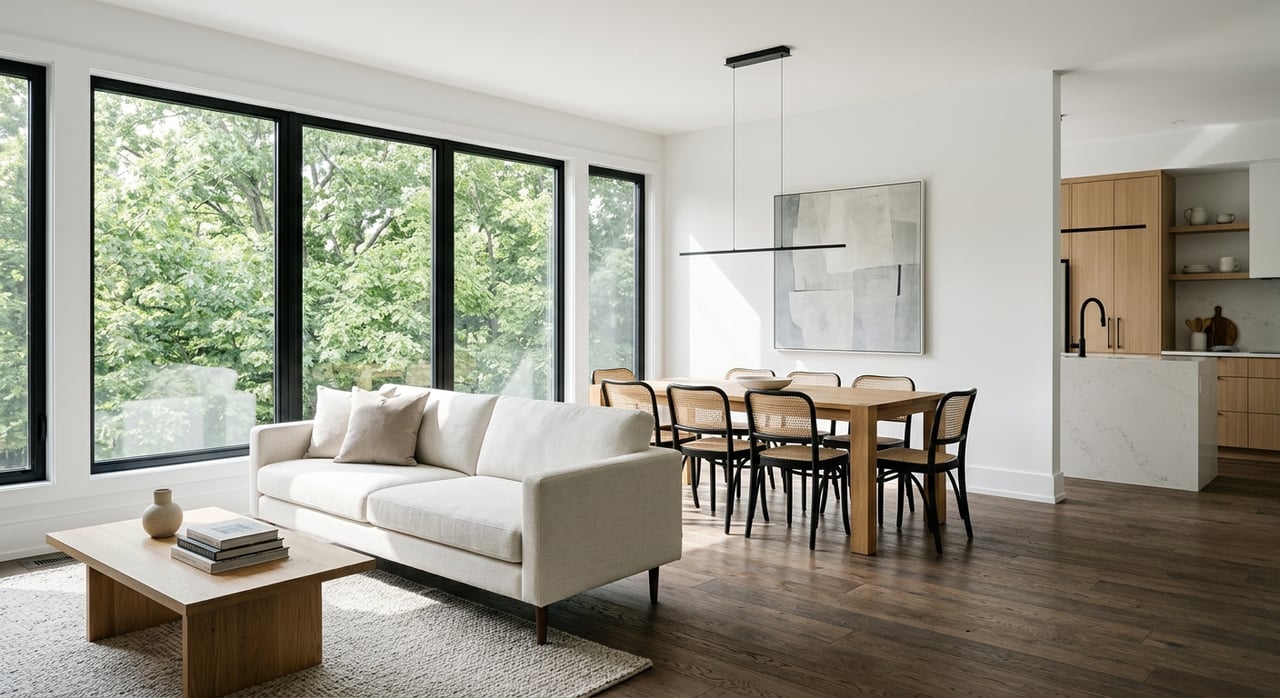
Looking to list your rental in NoDa and wondering how to stand out without overpricing it? You are not alone. In a neighborhood where renters compare condos, apartments, townhomes, and detached homes side by side, the details matter. This guide will help you prepare your property, price it with more confidence, and market it in a way that fits how renters actually shop in NoDa. Let’s dive in.
NoDa is widely known as Charlotte’s arts district, and that identity shapes renter expectations. Many renters are drawn to the neighborhood’s direct Blue Line access at 36th Street Station, its urban layout, and its mix of housing types.
That mix matters when you list a rental. In NoDa, your property is not just competing with other houses. It may also compete with apartments, loft-style units, condos, and townhomes, especially near the Blue Line corridor.
Current rental data points to a busy but price-sensitive market. Research suggests a directional median rent in NoDa of about $1,550 to $1,600 per month, but that figure only tells part of the story.
Bedroom count creates a wide pricing spread. Recent averages show about $1,345 for studios, $1,541 for one-bedroom units, $2,182 for two-bedrooms, and $2,859 for three-bedrooms. That is why smart pricing starts with your exact unit type, condition, and features rather than the NoDa name alone.
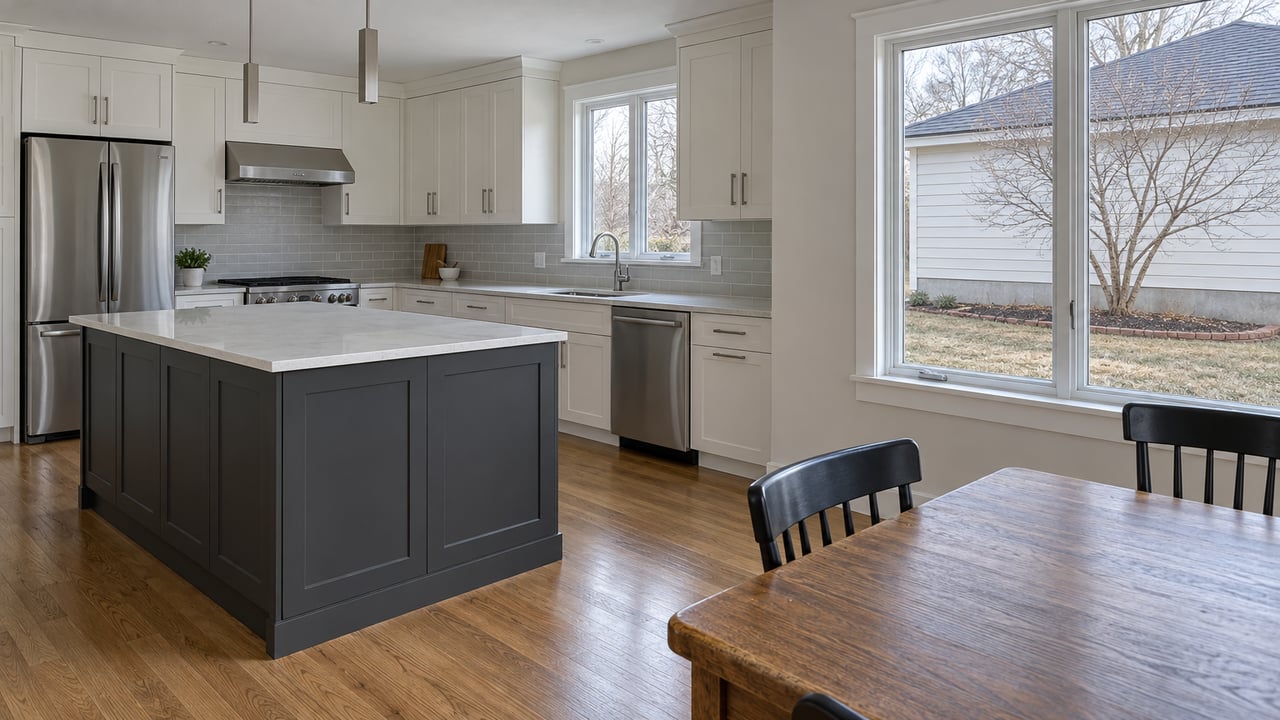
Before you take photos or schedule showings, make sure the property is ready from both a condition and compliance standpoint. A polished listing starts with a home that is functional, safe, and easy for renters to picture themselves in.
Charlotte’s Minimum Housing Code is a useful first checkpoint. The city focuses on baseline health and safety items such as heat, water, electricity, smoke detectors, carbon monoxide detectors, and structural safety.
It is also important to address leaks or moisture issues before listing. While appliances are not covered by the code, leaks and moisture intrusion that lead to mold are a serious concern and should be resolved early.
Before photos and showings, focus on the items most likely to affect renter confidence:
NoDa renters often compare homes based on lifestyle fit, not just square footage. If you are listing a condo, townhome, loft-style unit, or detached rental, the setup and presentation should reflect what that property type offers.
Clear photos of parking, entry, storage, laundry, and outdoor space can be just as important as the living room or kitchen. In a transit-oriented area, renters may also care about whether the home supports a car-light lifestyle or offers practical storage for bikes and gear.
One of the biggest mistakes rental owners make is choosing a rent number based only on what they have heard about NoDa. A better approach is to price from the closest comparable properties in the same product category.
For example, a one-bedroom apartment near the Blue Line should not be priced the same way as a two-bedroom townhome with private parking. Renters in NoDa are comparing amenities, finish level, privacy, and convenience closely.
When you set a rent range, pay close attention to:
A well-updated rental with parking, laundry, and easy rail access may justify stronger pricing than a similar-sized unit without those features. On the other hand, if portal inventory is high and renters have choices, an aggressive price can slow interest quickly.
In NoDa, strong marketing is about relevance. You want your listing to show how the home fits the neighborhood and the renter lifestyle that comes with it.
That starts with the right lead features. Transit access, walkability, dining proximity, and practical conveniences often carry real weight for renters in this area.
Your marketing copy and photo order should highlight features such as:
The area around 36th Street Station includes ADA access, bike racks, and bus connections. The city is also continuing streetscape and trail improvements in the corridor, including wider sidewalks, bike lanes, and better pedestrian crossings. Those details help explain why convenience and mobility can support stronger renter interest.
Market data suggests renter activity is rising while inventory remains elevated. In practical terms, that means renters may be active, but they are still comparing options carefully.
Blurry photos, thin descriptions, or slow follow-up can cost you momentum. If you want fewer vacant days, professional presentation and responsive communication matter.
If your property is within Charlotte city limits, the city offers a voluntary residential rental registration program. It is free and not required.
Even though it is optional, it can be useful for owners who want better visibility into property-related activity. The program can send weekly email alerts about calls for service or incidents attributed to the registered property.
For some landlords, that makes it a helpful operational step after the property is listed and occupied. It is not a marketing tool, but it can support day-to-day ownership.
Tenant screening is one of the most important parts of leasing a rental, and consistency is key. Your standards should be documented, applied uniformly, and based on legitimate business criteria.
Charlotte’s fair housing information reflects protections based on race, color, national origin, religion, sex, familial status, and disability. The city also administers source-of-income protections for city- or county-supported housing.
That does not mean you cannot screen applicants. It does mean your process should be consistent and focused on factors you apply the same way to every applicant.
A consistent screening process may include factors such as:
Charlotte states that landlords may screen for bad credit, certain criminal records, or inability to pay the security deposit if those standards are applied uniformly. A case-by-case approach is generally safer than broad exclusion rules.
Blanket policies can create fair housing risk. For example, refusing to rent to anyone with any criminal record without a more careful review may create legal problems.
A better approach is to use a documented process, review applications individually, and apply the same standards each time. That helps protect both your business and the people applying.
If you use a consumer report in screening, you need a permissible purpose to obtain it. If that report contributes to a denial, a higher deposit, a co-signer requirement, or a higher rent, an adverse action notice is required.
This is an area where organized records and a repeatable process can save you trouble later. Consistency is not just good practice. It is a core part of risk management.
Security deposit handling is another area where owners need clear procedures. North Carolina law sets limits based on the lease term.
For week-to-week tenancies, the security deposit is capped at two weeks’ rent. For month-to-month tenancies, it is capped at one and one-half months’ rent. For longer tenancies, it is capped at two months’ rent.
After the tenancy ends, the landlord must return the deposit or provide an itemized accounting within 30 days. North Carolina law also allows a reasonable nonrefundable pet fee.
Listing a rental in NoDa is not just about putting photos online and waiting for inquiries. You need pricing that reflects the right comparables, marketing that matches the neighborhood, and screening steps that are both efficient and consistent.
That is where local, hands-on support can make a difference. When your leasing strategy fits the property type and current market conditions, you are better positioned to reduce vacancy, attract stronger applications, and move forward with more confidence.
If you are getting ready to list a rental in NoDa and want help with pricing, presentation, and leasing strategy, connect with Angela Craghead Realty Group for local guidance tailored to your property.
Stay up to date on the latest real estate trends.


We pride ourselves in providing personalized solutions that bring our clients closer to their dream properties and enhance their long-term wealth.