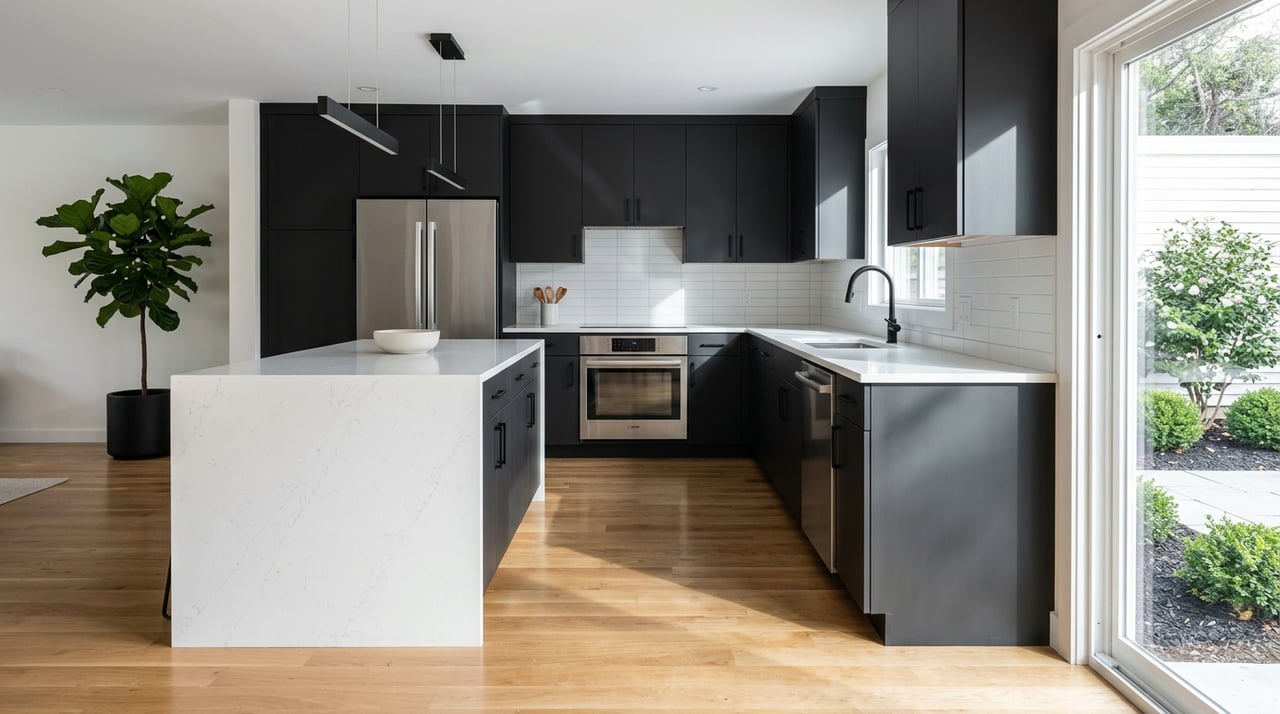
NoDa Light Rail Living: What Daily Life Feels Like
June 25, 2026
June 25, 2026
If you are thinking about living in NoDa, the light rail can shape your day more than you might expect. It is not just about getting from point A to point B. It is about how you move through the neighborhood, how often you walk, and how easy it feels to mix errands, dining, and downtime into one routine. Let’s dive in.
NoDa is Charlotte’s North Davidson arts district, and the Blue Line serves the area through three nearby stations: Parkwood, 25th Street, and 36th Street. These stations help connect the neighborhood to the rest of the corridor while keeping rail access close to everyday destinations.
For many residents, the exact feel of living near the light rail depends on where home is in relation to those stops. A home near 36th Street may feel a little different from one closer to Parkwood or 25th Street. Even a few blocks can change how often you choose to walk versus drive.
The city is also continuing to improve the area around transit. Charlotte’s Northeast Corridor Infrastructure Program includes projects focused on better access for pedestrians, bicyclists, and motorists near the Blue Line, including work tied to NoDa, the Cross Charlotte Trail, and the Mecklenburg County greenway system.
A helpful example is the 25th Street Connection, completed in 2021. It was designed to create a direct connection from Brevard Street to North Davidson Street and improve access to the 25th Street Blue Line station. That kind of investment gives you a sense of how important transit access is to the area’s long-term growth.
Living near the Blue Line in NoDa tends to make transit feel routine rather than complicated. The system is set up for regular use, so you can plan a trip, check real-time train locations, and pay your fare through the official CATS-Pass app. If you prefer, you can also buy tickets at vending machines on rail platforms.
The Blue Line uses a proof-of-payment system, which means the process is simple. You buy or activate your fare, then board. That small detail matters because it can make commuting feel quicker and easier to fold into your day.
The stations themselves are built for practical, everyday use. Parkwood, 25th Street, and 36th Street all include lighting, audio announcements, ADA access, public art, and bike racks. The 36th Street station also connects with bus Routes 3 and 23, which can make mixed transit trips more convenient.
When transit is easy to use, you are more likely to use it often. That can mean fewer car trips, more flexibility in your schedule, and a more walk-oriented routine. If you like the idea of stepping out for coffee, hopping on the train, and returning home without much planning, this part of NoDa can be a strong fit.
One of the biggest lifestyle perks of living near the light rail in NoDa is that transit is only part of the picture. The Blue Line Rail Trail runs alongside the light rail as an 11-mile pedestrian and bicycle facility. In some sections, it functions like an urban greenway lined with shops, restaurants, outdoor seating, and games.
The city reports that some parts of the Rail Trail see more than 2,000 users per day. That helps explain why living near the line can feel more active and connected than in a more car-first area. You are not just living near a station. You are living near an everyday path for walking, biking, and moving through the neighborhood.
For people who still rely on a car, street parking remains part of the lifestyle too. Charlotte’s Park It program manages on-street parking throughout NoDa, so many residents use a mix of walking, rail, and driving depending on the day.
NoDa’s rail-adjacent lifestyle is not one-size-fits-all. Some homes offer an easier station walk, while others may still involve a short drive, bike ride, or longer walk. In practical terms, the closer you are to Parkwood, 25th Street, or 36th Street, the more likely you are to use the train as part of your normal routine.
NoDa is widely known as Charlotte’s arts district, with North Davidson Street at the heart of the neighborhood. Murals, public art, shops, galleries, live music, and a strong food-and-drink scene all shape the local experience. Living near the light rail means those parts of the neighborhood can feel woven into your day, not saved only for weekends.
That is one reason the area stands out. Transit access here is not only about commuting into Uptown. It is also about being able to walk to dinner, meet friends for live music, or spend part of the evening exploring public art and neighborhood spots without needing to plan around parking every time.
Examples often associated with NoDa include Neighborhood Theatre, Evening Muse, Cabo Fish Taco, Haberdish, Amélie’s French Bakery, Boudreaux’s Louisiana Kitchen, Growlers Pourhouse, The Dog Bar, The Chamber by Wooden Robot, and The Goodyear House. These destinations help illustrate the kind of active, local rhythm many buyers picture when they think about living in NoDa.
The public art at 36th Street station is designed to reference the eclectic identity of NoDa. That may seem like a small detail, but it speaks to the bigger experience of the area. The stations are not just transportation stops. They are part of the neighborhood’s character and foot traffic pattern.
If you are home shopping near the light rail in NoDa, it helps to think beyond map distance. A listing that says it is close to the station may still feel different depending on sidewalks, street connections, parking patterns, and how directly it links to the places you expect to go most.
It also helps to remember that parts of the corridor are still changing. Ongoing city projects mean some blocks may feel more polished today, while others may feel more active or in transition. For many buyers, that growth is part of the appeal, but it is smart to evaluate each pocket in person.
Here are a few practical questions to ask as you tour homes:
Living near the light rail in NoDa often appeals to buyers who want a more connected, urban routine. If you enjoy walking to local businesses, using transit regularly, and living in a neighborhood with visible energy, the area can offer a lifestyle that feels distinct within Charlotte.
At the same time, convenience can vary from one block to the next. That is why local guidance matters. When you are comparing homes near Parkwood, 25th Street, or 36th Street, it helps to have someone who can explain how the location may feel in real life, not just on paper.
If you are exploring NoDa or comparing it with other Charlotte neighborhoods, Angela Craghead Realty Group can help you find the right fit with clear, local insight and hands-on support.
Stay up to date on the latest real estate trends.


We pride ourselves in providing personalized solutions that bring our clients closer to their dream properties and enhance their long-term wealth.